More oil.
Same pump.
Your pump still works. Your oil is still down there. Boost stable gas nanobubbles improve flow through the formation so you get more oil at surface. No rig, no chemicals, no new equipment. We tie into the existing wellhead and leave the rest of your setup alone.
Your well isn't depleted. It's restricted.
A drop in production on a working well almost never means the pump failed or the formation ran dry. Almost always it's one of four flow restrictions. Three of them we can fix.
Boost stable gas nanobubbles reduce surface tension and change wettability inside the formation, so oil moves toward the wellbore more easily. Better oil flow crowds water out of the way, and your oil cut goes up.
- 01Plugged perforations
Buildup blocks oil from getting into the casing in the first place.
- 02Formation blockage
Tight pore throats in the producing rock slow the oil before it ever reaches the well.
- 03Saltwater channeling
Water takes the easy path and pushes oil out of the way. Your oil cut drops.
- 04Depletion (least likely)
Most stripper wells aren't depleted. They're choked. The oil is still down there.
A mechanical fix to a mechanical problem.
No proprietary chemistry pitch. No secret additive. Just gas-charged water with bubbles small enough to get into the spaces normal fluids can't.
- 01
We pull up to the wellhead
Our mobile trailer rolls up to your wellsite. No rig, no drilling, no equipment swap. We tie into the existing wellhead so your rods, tubing, pumpjack, and surface equipment all stay where they are.
- 02
We connect downhole
We tie into the existing wellhead and pump a stable gas nanobubble fluid down into the producing zone.
- 03
Nanobubbles open up the formation
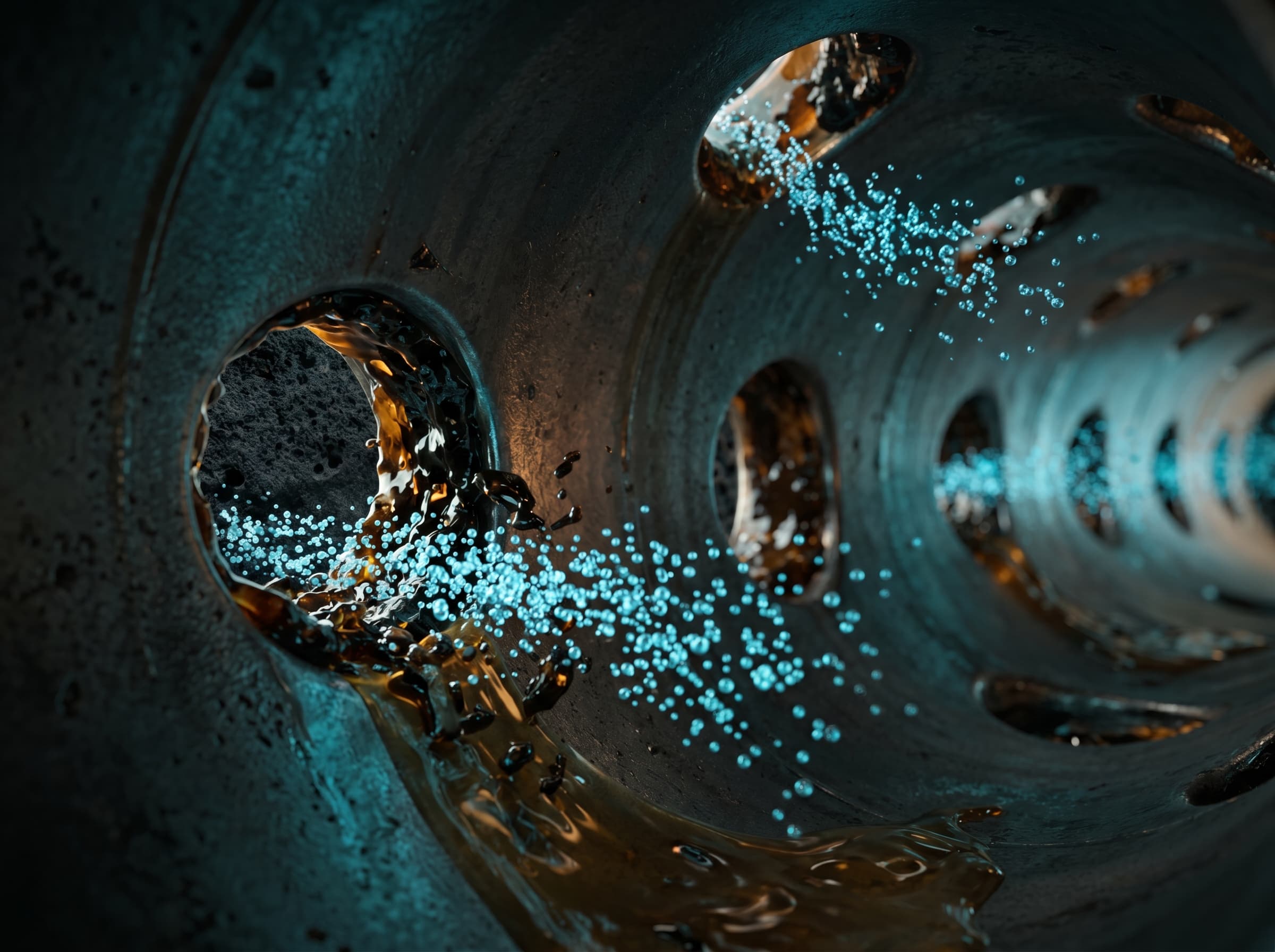
Trillions of nanobubbles travel into the formation. They drop the surface tension and change the wettability, so oil that was stuck behind capillary forces and buildup starts moving toward the well. They also clear gunk off the perforations on the way through. The bubbles don't lift the oil. They just open up the path it has to travel.
- 04
Oil cut climbs, water channeling drops
More oil moving means water gets crowded out of the dominant flow paths, so you produce more oil per barrel of fluid. Within 24 to 72 hours you'll see measurably more oil at surface, all of it documented with on-site flow data.
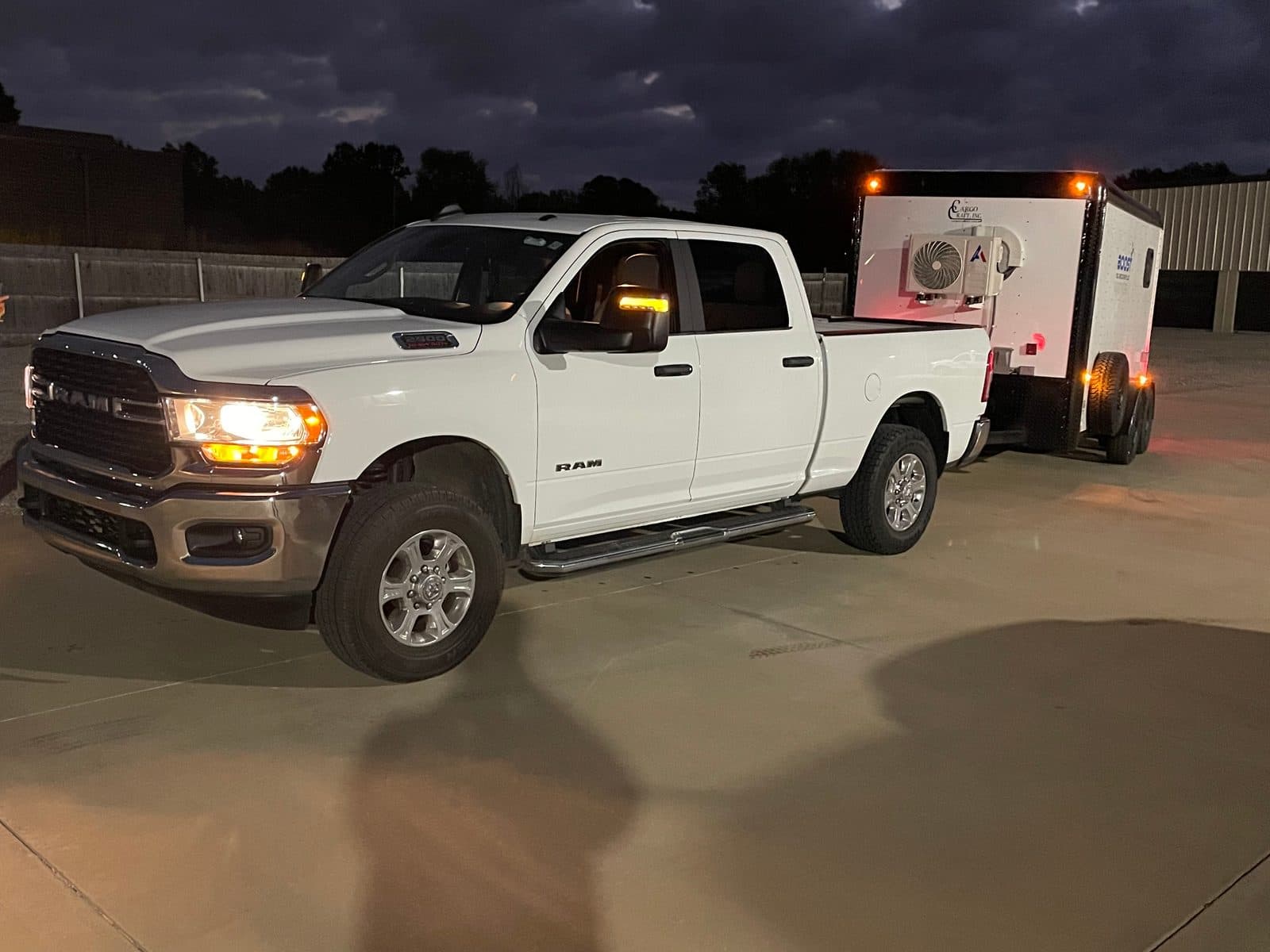
One trailer. One day. One well producing again.
We built Boost for independent operators and landowners. People who don't have a corporate field-services team on call. We show up, treat the well, measure the result, and leave with the numbers in your hand before we drive off.
- Pulls up to your lease in one trailer
- We tie into the existing wellhead, no rod pull, no equipment swap
- One well treated in about 24 hours, no rig required
- Before-and-after numbers, documented on site
- Built for stripper wells and small operators
The numbers we report are the numbers you measure.
We are not going to put fabricated case studies on this page. As we complete jobs, real before-and-after numbers will live here, with the operator's permission, on real wells you can ask about.
Baseline before we start
We pull a baseline production reading off your existing pump tickets. That number is what every result is measured against.
Verified post-treatment number
After treatment, we measure production again on site. No projections, no "expected" lifts. Just what the well actually does.
A report you can check
You leave the day of the job with the before-and-after numbers in writing. If they don't match what you read off your own pump tickets the next month, we want to know.
We don't compete with chemicals. We replace them.
What you actually get from each option when production drops.
| Boost Nano | Chemicals | Workover rig | New drill | |
|---|---|---|---|---|
| Improves oil flow through the formation | ||||
| Reduces saltwater channeling, raises oil cut | ||||
| Well keeps producing during treatment | ||||
| No drilling, no rig | ||||
| Treats well in 24 hours | ||||
| Documented before/after data | ||||
| Safe for stripper / marginal wells | ||||
| One-time spend, not recurring |
Documented lift, or no charge
If we can't show measurable production improvement against your baseline, the treatment is free.
Pump tickets, not estimates
Before-and-after numbers come from a real flow test on your well. You can check them against your own production records.
Built for small operators
Family leases, landowners, single-well economics. We work the wells big service companies skip.
See what a cleared well is worth to you.
Enter your daily production and the going crude price. We'll show you the monthly revenue lift you'd see after a Boost treatment, using numbers from real stripper wells with restricted formation flow.
Estimate uses a 3× lift, the middle of the 2–4× range we see in the field. Your number depends on your well.
Pay for the lift. Not the pitch.
Every program comes with before-and-after production data, so you see the bbl/day change before we ever talk about renewal.
Single Well
One-time treatment for a stripper or marginal well that's losing production.
- Pre-treatment diagnostic on your well
- Mobile trailer to your site
- Full nanobubble formation treatment
- Before/after production data report
- 30 days of production support
Multi-Well Program
Treat 3 or more wells on a lease or in the same field. Lower per-well rate, plus a baseline assessment.
- Everything in Single Well
- Field-wide production audit
- Treatment schedule across the field
- Lower per-well treatment cost
- 90 days of production tracking
- Priority scheduling
Operator Partnership
Ongoing service for operators running multiple leases. Includes preventive re-treatment cycles.
- Everything in Multi-Well
- Quarterly field walks
- Preventive re-treatment cycles
- Dedicated field engineer
- Annual production report
- Volume contract pricing
Questions operators ask before they call.
How do I know if nanobubble stimulation will work on my well?+
We screen wells before quoting. Wells with restricted flow, declining oil cut, and a working pumpjack are the strongest candidates. Wells in genuinely depleted reservoirs do not respond, and we tell you that up front.
What does a treatment cost?+
Pricing depends on well depth, reservoir conditions, and site access. We give you a number after a site assessment, not before. The cost is sized to be paid back from the lift, not financed against your future production.
How long does the production lift last?+
Duration depends on the well and the reservoir, and decline behavior varies. We document the post-treatment baseline so you can track decline against real numbers and decide if and when to retreat.
Do I need to pull rods or swap surface equipment for the treatment?+
No. We tie into the existing wellhead and treat through it. Your rods, tubing, pumpjack, and surface equipment all stay in place.
Where do you operate?+
Oklahoma and Kansas are where we are actively scheduling work right now. If your well sits outside that map, ask anyway. We add service areas as demand justifies the trip.
What happens if the treatment does not move the needle?+
You walk away with the data. Baseline flow before, post-treatment flow after. If your well does not show a measurable lift, you have documented numbers and a clear next step.
Stop guessing. Start producing.
Tell us about your well. We'll give you a straight assessment, and a real number for what a Boost treatment is likely to add to your monthly check.